 WhatsApp:+86 155 1698 1316
 WeChat:+86 155 1698 1316
 Email:sales@rotarykilnchina.com
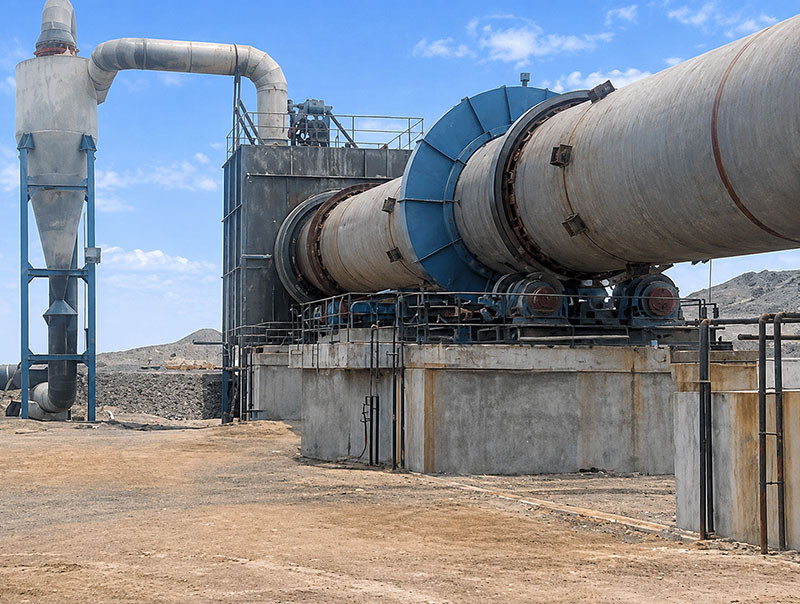
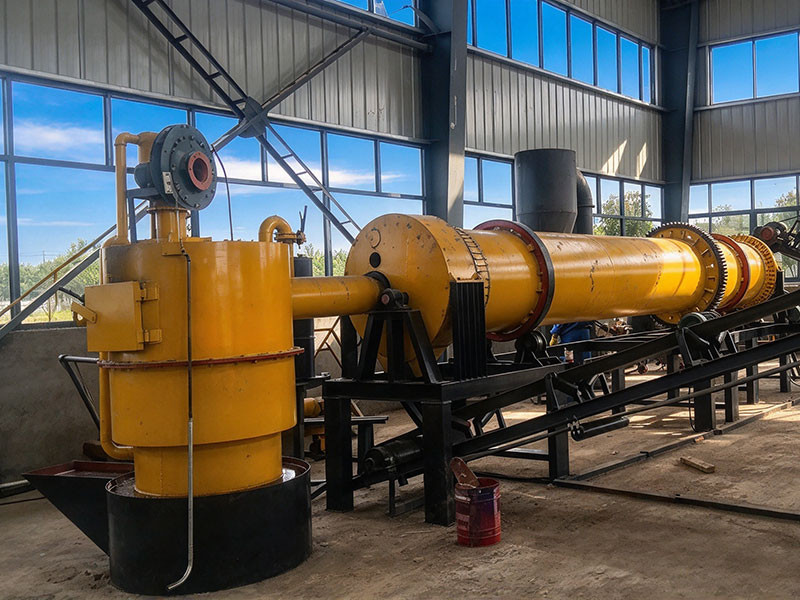
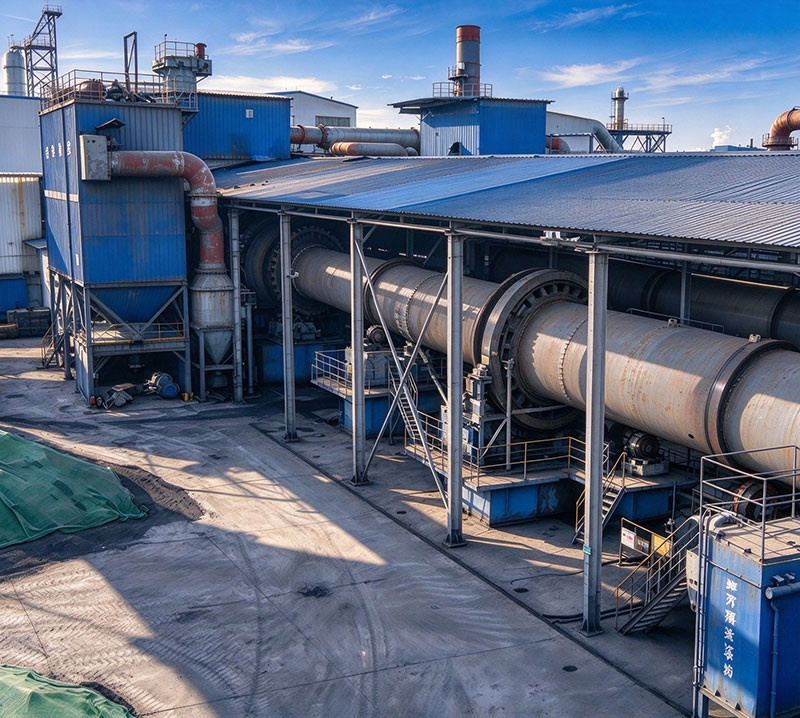
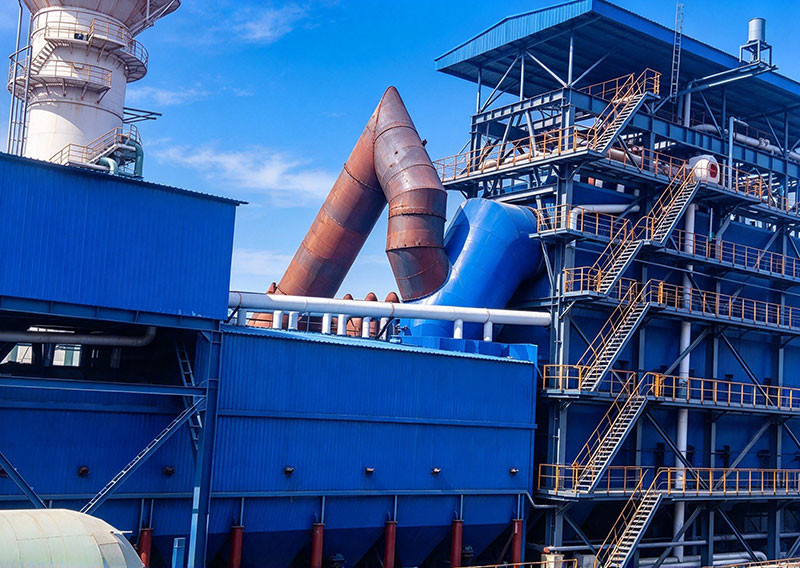
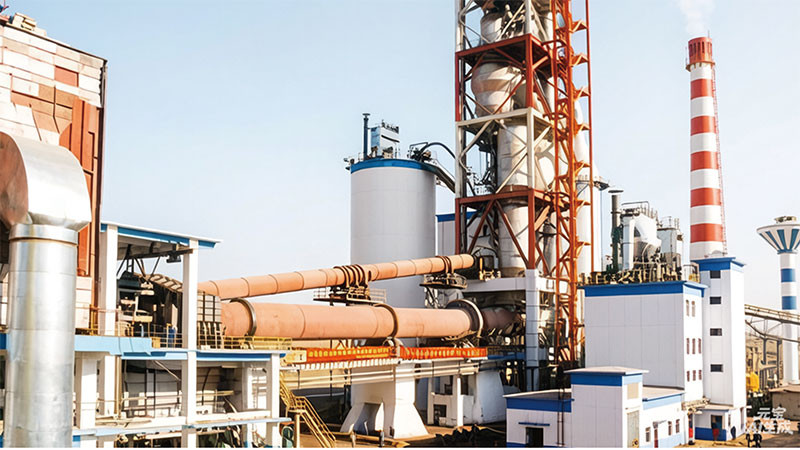
Henan Hongke Heavy Machinery Co., Ltd. presents a 50 TPH cement rotary kiln production line project in Uzbekistan. The project features an industrial Cement Rotary Kiln as the core thermal processing equipment, supported by coordinated material preparation, clinker calcination, cooling, cement grinding, and conveying systems according to the production line configuration.
Designed to meet industrial cement production requirements, this Cement Rotary Kiln Production Line integrates key equipment for raw material processing, high-temperature clinker production, and subsequent cement manufacturing.
This project demonstrates the application of cement rotary kiln technology in the Central Asian market and highlights the importance of proper equipment selection, process coordination, and production line configuration.
1. Project Overview: Cement Rotary Kiln Production Line in Uzbekistan
Located in Uzbekistan, this project involves a cement rotary kiln production line with a rated production capacity of 50 tons per hour.
The Cement Rotary Kiln is the key thermal processing equipment in the production system. It provides the high-temperature environment required for converting prepared raw meal into cement clinker.
A complete Cement Rotary Kiln Production Line requires more than a rotary kiln alone. Raw material preparation, proportioning, grinding, homogenization, preheating, clinker calcination, cooling, cement grinding, and finished product handling all play important roles in the production process.
Henan Hongke Heavy Machinery Co., Ltd. provides cement rotary kiln equipment and production line solutions based on project capacity, raw material characteristics, process requirements, and site conditions.
Project Information
Project Location: Uzbekistan
Project Type: Cement Rotary Kiln Production Line
Main Equipment: Cement Rotary Kiln
Rated Production Capacity: 50 TPH
Main Application: Cement Clinker Production and Cement Manufacturing
Equipment Supplier: Henan Hongke Heavy Machinery Co., Ltd.
2. Production Capacity of the Cement Rotary Kiln Production Line
Production capacity is a key consideration when designing and selecting a Cement Rotary Kiln Production Line.
This Uzbekistan project has a rated production capacity of 50 tons per hour.
Production Capacity: 50 TPH
The production capacity of a cement plant depends on the performance and coordination of its major processing sections, including raw material grinding, kiln calcination, clinker cooling, cement grinding, and finished product handling.
It is important to distinguish between clinker production capacity and finished cement production capacity. The actual capacity basis should be confirmed according to the project's technical specifications.
For a complete cement production line, the Cement Rotary Kiln must be matched with the required raw material preparation, thermal processing, cooling, and downstream grinding systems.
3. Cement Rotary Kiln: Main Equipment and Working Principle
The Cement Rotary Kiln is the core thermal processing equipment in a cement clinker production system.
It consists of a long cylindrical steel shell installed at a slight inclination. The kiln rotates at a controlled speed, allowing raw meal to move gradually toward the discharge end while undergoing high-temperature chemical reactions.
During operation, the prepared raw meal enters the kiln system after preheating and, where applicable, precalcination. As the material moves through the kiln, it undergoes sintering reactions and forms cement clinker.
The main components of an industrial Cement Rotary Kiln include:
Rotary Kiln Shell: The main cylindrical structure that provides the high-temperature processing space.
Refractory Lining: Protects the steel shell from high temperatures and chemical attack.
Supporting Roller System: Supports the kiln shell and maintains stable rotation.
Riding Rings (Tyres): Transfer the kiln load to the supporting rollers.
Drive System: Provides the power required for continuous kiln rotation.
Girth Gear and Pinion: Transmit driving force to the kiln shell.
Kiln Head and Kiln Tail: Connect the kiln with feeding, discharge, and process gas systems.
Sealing System: Helps reduce air leakage at the kiln ends.
Burner System: Supplies the heat required for clinker calcination.
The equipment dimensions, mechanical structure, drive arrangement, and thermal configuration should be determined according to the actual production capacity and process design.
4. Cement Rotary Kiln Production Line: Complete Equipment Configuration
A complete Cement Rotary Kiln Production Line consists of several interconnected processing systems. Each section performs a specific function to ensure continuous material flow and coordinated production.
The main equipment configuration can include the following sections.
4.1. Limestone Crushing System
Limestone is the primary raw material used in ordinary Portland cement production.
The limestone crushing system reduces large raw materials to the required particle size for subsequent transportation, proportioning, and grinding.
Main equipment may include:
Jaw Crusher
Hammer Crusher or Impact Crusher
Vibrating Feeder
Vibrating Screen
Belt Conveyor
4.2. Raw Material Storage and Proportioning System
Limestone, clay, and other corrective materials are stored separately and proportioned according to the required raw meal composition.
The proportioning system helps maintain stable chemical composition and consistent raw material quality.
Main equipment may include:
Raw Material Storage Bins
Weighing Feeders
Belt Conveyors
Material Transfer Equipment
4.3. Raw Material Grinding System
The proportioned raw materials are ground into fine raw meal to provide suitable conditions for clinker production.
The raw grinding system may use a ball mill or vertical roller mill, depending on the production capacity and process design.
Main equipment may include:
Raw Material Ball Mill or Vertical Roller Mill
Powder Separator
Bucket Elevator
Dust Collector
Raw Meal Conveying Equipment
4.4. Raw Meal Homogenization and Preheating System
The ground raw meal is stored and homogenized to improve material consistency.
In a dry-process cement production line, a cyclone preheater is commonly used to exchange heat between the raw meal and kiln exhaust gases before the material enters the high-temperature processing stage.
Depending on the process configuration, this section may include:
Raw Meal Homogenization Silo
Air Slide
Bucket Elevator
Cyclone Preheater
Precalciner
4.5. Cement Rotary Kiln System
The Cement Rotary Kiln is the core equipment for clinker calcination.
Preheated raw meal enters the kiln and undergoes high-temperature sintering reactions to form cement clinker.
The rotary kiln system may include:
Cement Rotary Kiln
Kiln Drive System
Supporting Rollers
Riding Rings
Kiln Burner
Refractory Lining
Sealing Devices
4.6. Clinker Cooling System
After leaving the rotary kiln, high-temperature clinker enters the cooling system.
The cooler reduces clinker temperature and recovers heat for reuse in the production process.
Depending on the plant design, a grate cooler or another suitable cooling system may be selected.
4.7. Cement Grinding System
Cooled clinker is transported to the cement grinding section, where it is mixed with gypsum and other permitted supplementary materials according to the required cement type.
The grinding process controls the final cement fineness and product quality.
Main equipment may include:
Cement Ball Mill
Cement Mill Separator
Bucket Elevator
Conveying Equipment
Dust Collection System
4.8. Cement Storage and Packing System
Finished cement is transferred to storage silos before being packed or dispatched in bulk.
The packing and conveying system is configured according to the customer's product specifications and delivery requirements.
Main equipment may include:
Cement Storage Silos
Cement Packing Machine
Automatic Bagging Equipment
Bulk Loading System
Belt Conveyors
The final equipment configuration should be based on the actual project supply scope and approved process flow diagram.
5. Cement Production Process: From Raw Materials to Finished Cement
A complete Cement Rotary Kiln Production Line involves several coordinated stages, from raw material preparation to finished cement delivery.
Step 1: Raw Material Crushing
Limestone and other raw materials are crushed to the required particle size for further processing.
Step 2: Raw Material Proportioning and Grinding
Different raw materials are proportioned according to the required chemical composition and ground into fine raw meal.
Step 3: Raw Meal Homogenization
The raw meal is homogenized to improve the consistency of the material entering the kiln system.
Step 4: Preheating and Precalcination
In a dry-process cement plant, raw meal is preheated by kiln exhaust gases. A precalciner may be used to improve the efficiency of the calcination process.
Step 5: Clinker Calcination in the Cement Rotary Kiln
The raw meal enters the Cement Rotary Kiln and undergoes high-temperature sintering to form cement clinker.
Step 6: Clinker Cooling
The hot clinker is cooled to the required temperature before storage and further processing.
Step 7: Cement Grinding
Clinker is ground with gypsum and other suitable materials to produce cement with the required fineness and performance characteristics.
Step 8: Cement Storage and Packing
Finished cement is stored in silos and delivered in bags or in bulk according to customer requirements.
6. Key Considerations for a Cement Rotary Kiln Production Line
Selecting a suitable Cement Rotary Kiln Production Line requires comprehensive consideration of production capacity, raw material properties, fuel conditions, energy consumption, and environmental requirements.
Important factors include:
Production Capacity: The kiln and auxiliary equipment must match the required clinker and cement production capacity.
Raw Material Composition: Limestone, clay, and corrective materials must meet the required chemical composition.
Thermal Efficiency: The preheater, precalciner, rotary kiln, and cooler should work together to improve heat utilization.
Equipment Coordination: Crushing, grinding, feeding, calcination, cooling, and conveying systems must operate as an integrated production system.
Environmental Protection: Dust collection and exhaust gas treatment equipment should meet applicable environmental requirements.
Automation and Control: Monitoring and control systems help coordinate material feeding, kiln operation, temperature, and production conditions.
A properly configured Cement Rotary Kiln Production Line helps support stable clinker production and consistent cement quality.
7. Henan Hongke Heavy Machinery – Cement Rotary Kiln Manufacturer
Henan Hongke Heavy Machinery Co., Ltd., also known as Henan Hongke Machinery, specializes in one-stop solutions for mining and industrial machinery.
Our main products include:
Cement Rotary Kilns
Industrial Rotary Kilns
Rotary Dryers
Ball Mills
Crushers
Complete Industrial Production Lines
For cement production projects, Henan Hongke provides rotary kiln equipment and supporting production line solutions according to customer requirements, production capacity, raw material characteristics, and site conditions.
From equipment selection and structural design to manufacturing and production line configuration, we focus on providing practical equipment solutions for industrial customers.
The 50 TPH Cement Rotary Kiln Production Line project in Uzbekistan demonstrates the application of cement rotary kiln equipment in an overseas cement production project.
8. Looking for a Cement Rotary Kiln Production Line?
Planning a new cement plant or upgrading an existing cement production facility?
Choosing the right Cement Rotary Kiln and Cement Rotary Kiln Production Line requires careful consideration of production capacity, raw material characteristics, fuel conditions, clinker quality, and downstream cement grinding requirements.
Henan Hongke Heavy Machinery Co., Ltd. provides industrial rotary kiln equipment and customized production line solutions to meet different project requirements.
Contact Henan Hongke Machinery with your target production capacity, raw material information, cement product requirements, and project location.
Our team can help evaluate your requirements and discuss a suitable Cement Rotary Kiln Production Line configuration for your project.