 WhatsApp:+86 155 1698 1316
 WeChat:+86 155 1698 1316
 Email:sales@rotarykilnchina.com
From Waste Stream to High-Value Product: A Zinc Oxide Success Story
Every year, millions of tons of zinc-bearing dust and residues are generated by steel mills and non-ferrous smelters worldwide. Instead of ending up in landfills, these materials can be transformed into valuable zinc oxide — a critical ingredient in rubber, ceramics, paints, and electronics. The challenge? Doing it efficiently, cost-effectively, and within environmental regulations.
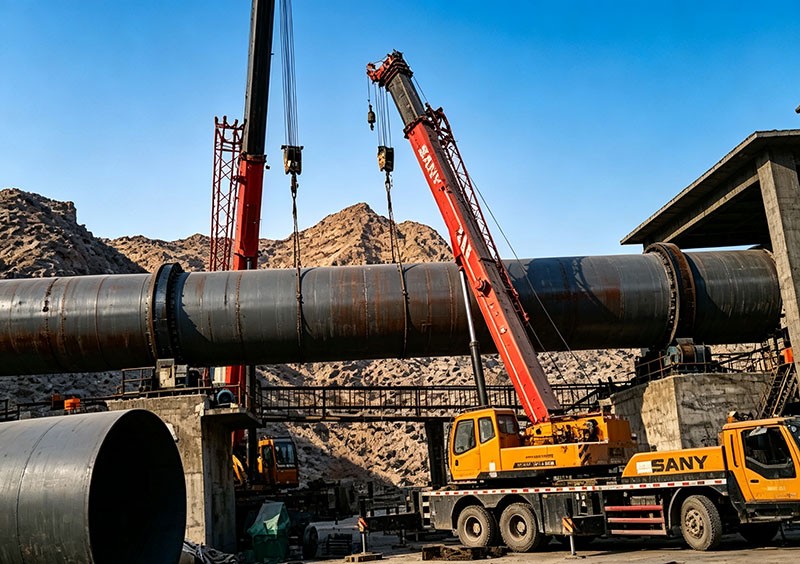
That's exactly what Henan Hongke Machinery helped a Gansu-based client achieve with a 6,000-ton-per-year zinc oxide rotary kiln system. Here's how we delivered a solution that turned industrial byproducts into profit.
Why Zinc Oxide Matters
Zinc oxide (ZnO) is one of the most versatile inorganic compounds on the market. From tire manufacturing to sunscreen production, from ceramic glazes to animal feed additives, ZnO demand continues to grow steadily. The global zinc oxide market is projected to expand at a CAGR of over 5% through 2030, driven by increased tire production and the rising use of zinc oxide in rubber compounding .
For producers, this means stable demand and attractive margins — provided they can maintain consistent product quality and production efficiency.
The Client's Situation
The Gansu operation faced a familiar set of challenges common to zinc oxide producers:
Feed variability: Incoming raw materials contained 15–25% zinc, requiring flexible process handling
Energy costs: Fuel consumption was a significant operating expense that needed optimization
Operational reliability: Kiln-ringing and refractory wear were causing frequent production interruptions
Product quality: Buyers demanded consistent ZnO purity and particle size
The client needed a solution that could handle feed fluctuations, produce high-grade oxide, and minimize downtime. They selected Henan Hongke Machinery after evaluating multiple equipment suppliers.
Our Approach: Engineered for Real-World Conditions
Rather than delivering a standard rotary kiln, Henan Hongke Machinery's engineering team approached this project with a tailored design philosophy.
Understanding the Feedstock
We started by analyzing the client's actual feed materials — their chemical composition, moisture content, particle size distribution, and thermal behavior. This analysis revealed critical parameters that influenced kiln design, including the optimal reduction temperature window and the expected slag characteristics.
Custom Configuration
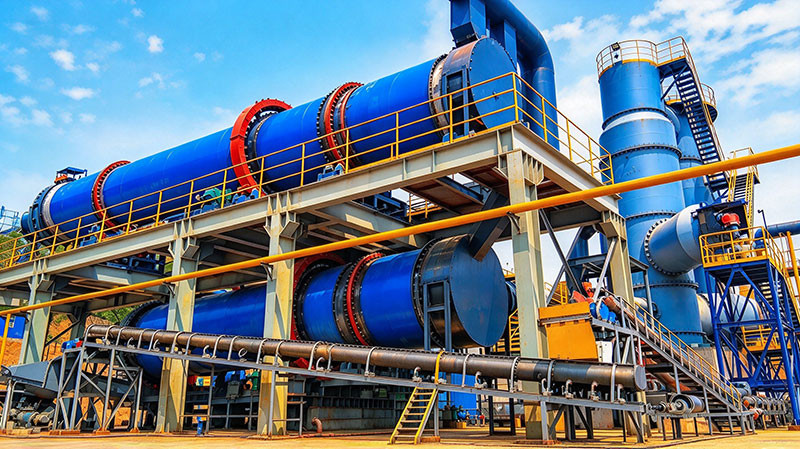
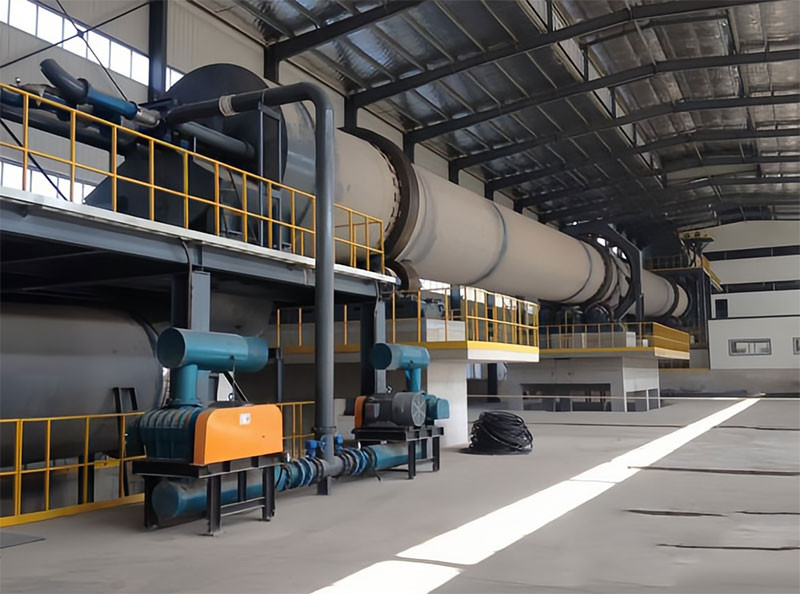
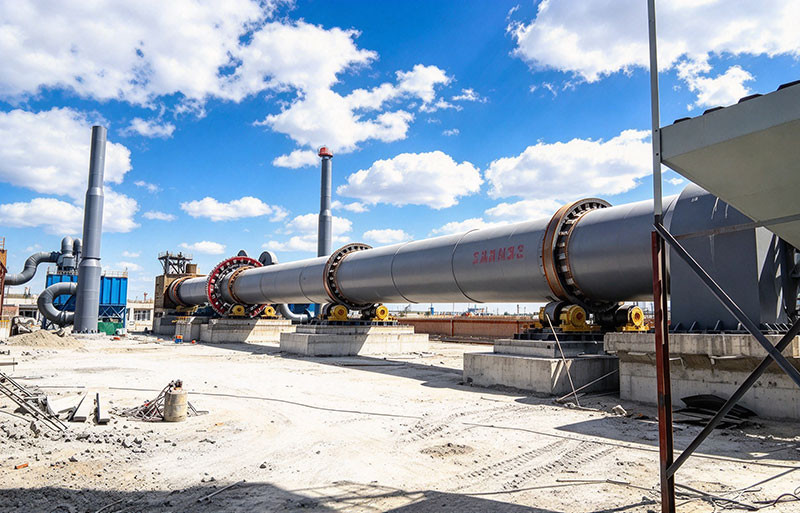
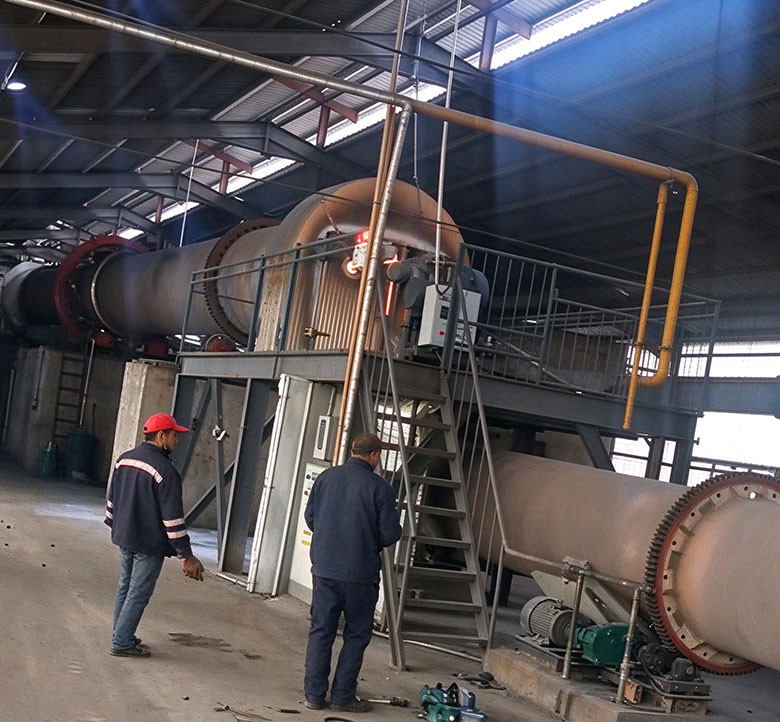
Based on our analysis, we configured a zinc oxide rotary kiln system that incorporated:
A Robust Refractory PackageThe lining materials were selected to withstand the combined abrasive and chemical attack of zinc-bearing feed, with special emphasis on the reduction zone where temperatures reach 1000°C. A combination of high-alumina and magnesia-chrome bricks extended lining life compared to standard configurations.
Intelligent Air DistributionPrecise control of the oxidizing/reducing atmosphere is essential for zinc oxide production. Our design includes adjustable air injection points along the kiln length, allowing operators to fine-tune conditions for maximum zinc volatilization and fume oxidation.
Enhanced Fume CollectionThe dust collection train — including water-cooled cooling pipes, cyclones, and pulse-jet bag filters — was oversized to handle peak gas volumes while maintaining collection efficiencies above 99% for submicron ZnO particles.
Ring-Control FeaturesWe incorporated design features that reduce kiln-ringing risks, including optimized temperature profiles and controlled material retention times. Operators report significantly fewer ring-removal shutdowns compared to their previous equipment.
System Specifications at a Glance
| System Component | Details |
|---|---|
| Kiln Dimensions | 2.2m diameter × 45m length (customized for this application) |
| Annual ZnO Output | 6,000 tons |
| Feed Zinc Grade Range | 15% – 25% |
| Calcination Temperature | Up to 1000°C |
| Fuel Type | Coal fines / coke breeze |
| Dust Collection Efficiency | > 99% |
| Control System | PLC-based with central monitoring |
Operational Results
After installation, commissioning, and a brief operator training period, the Gansu plant reached full production capacity within schedule. Key outcomes include:
Stable OutputThe kiln consistently processes the required feed tonnage to maintain 6,000 TPA ZnO production, with minimal variation in daily throughput.
Product QualityZinc oxide produced meets GB/T 3185 (Chinese national standard) specifications for ZnO content (typically > 99.5%), particle size distribution, and color consistency. This opens commercial sales channels to rubber manufacturers and paint producers.
Reduced Operating CostsEnergy consumption per ton of product is competitive with modern zinc oxide kiln operations. The optimized fuel-to-feed ratio, combined with improved heat retention, contributes to lower per-unit production costs.
Lower Maintenance BurdenThe refractory configuration and ring-control measures have extended maintenance intervals, reducing labor costs and lost production time.
Environmental Considerations
Zinc oxide kilns generate flue gas that must be treated before release. Our system includes:
A water quenching system for slag cooling and dust suppression
Wet flue gas desulfurization (FGD) to control SO₂ emissions
Baghouse filtration for particulate capture
The combined treatment train ensures the operation complies with Chinese environmental standards, making the project viable for long-term operation without regulatory risk.
The Bigger Picture: Zinc Recycling as a Sustainable Business
The Gansu project is more than just a equipment delivery — it represents the growing trend of urban mining and industrial symbiosis. By processing zinc-bearing wastes and residues, the plant reduces landfill burden, recovers valuable metals, and creates economic value from materials that were once considered waste.
For clients in steelmaking, non-ferrous refining, and zinc ore processing, this model offers a proven pathway to diversify revenue streams while improving environmental performance.
Why Henan Hongke Machinery?
Henan Hongke Heavy Machinery Co., Ltd. (Henan Hongke Machinery) brings decades of rotary kiln engineering expertise to every project. Our value proposition rests on three pillars:
Engineering Depth
Our team includes kiln process engineers, refractory specialists, and mechanical designers who understand the metallurgical and chemical interactions occurring inside the kiln — not just the mechanical components.
Manufacturing Capacity
With an 80,000+ m² fabrication facility and heavy machining capabilities, we produce kiln shells, drive systems, and support components under one roof. This integrated approach ensures quality control and on-time delivery.
Global Support
We provide:
Site selection and foundation design support
Equipment transportation and installation supervision
Commissioning and performance testing
Operator training and ongoing technical support
Spare parts availability with rapid logistics
Start Your Zinc Oxide Project Today
Whether you are planning a new zinc oxide production line or upgrading an existing kiln system, Henan Hongke Machinery can provide a customized solution that fits your feedstock, capacity targets, and budget.
Our engineering team is ready to conduct a preliminary feasibility analysis based on your material samples and production goals. We'll work with you from concept through commissioning to ensure your project achieves its objectives.
Contact Henan Hongke Machinery to discuss your next thermal processing project.