As a leading manufacturer in the heavy machinery industry, Henan Hongke Heavy Machinery Co., Ltd. understands that investing in a kaolin rotary kiln is a significant capital decision. The price of this critical equipment is not a fixed figure but is determined by a complex interplay of factors.
For businesses planning to enter or expand in the calcined kaolin market, understanding these cost drivers is essential for making a sound investment. This guide breaks down the key elements that influence the price of a kaolin rotary kiln.
1. Technical Specifications and Capacity
The most direct determinant of a rotary kiln's price is its size and production capacity. Larger models with higher throughput capabilities command higher prices due to increased material and manufacturing costs.
Model and Dimensions
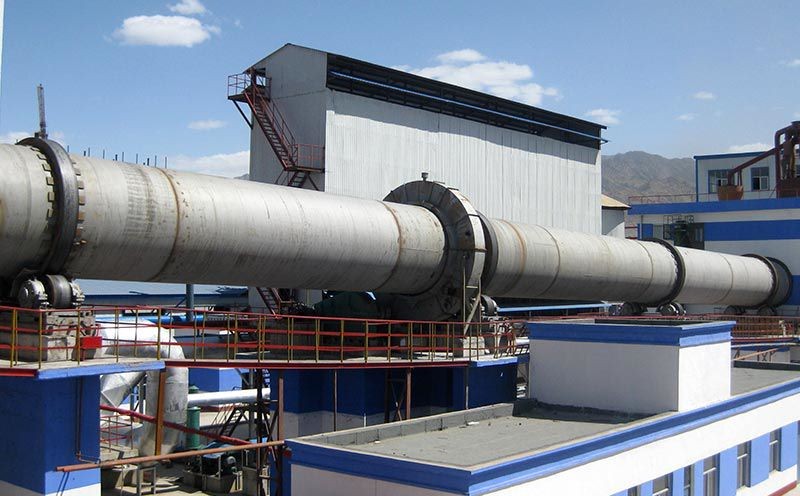
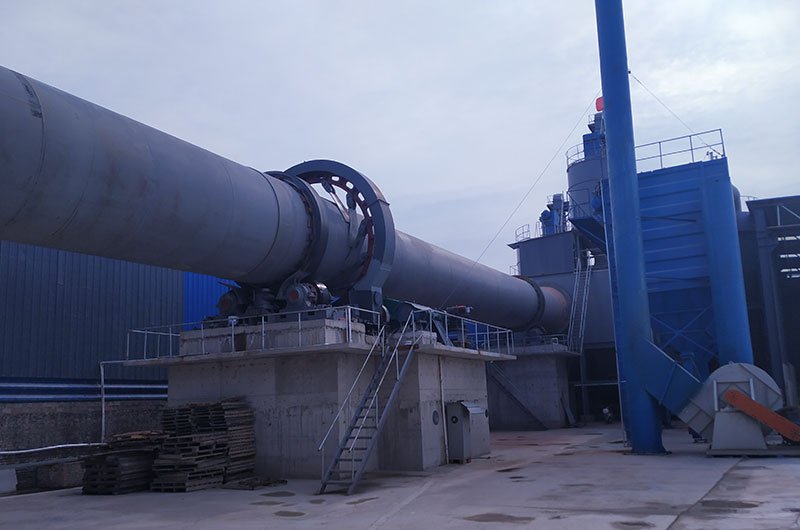
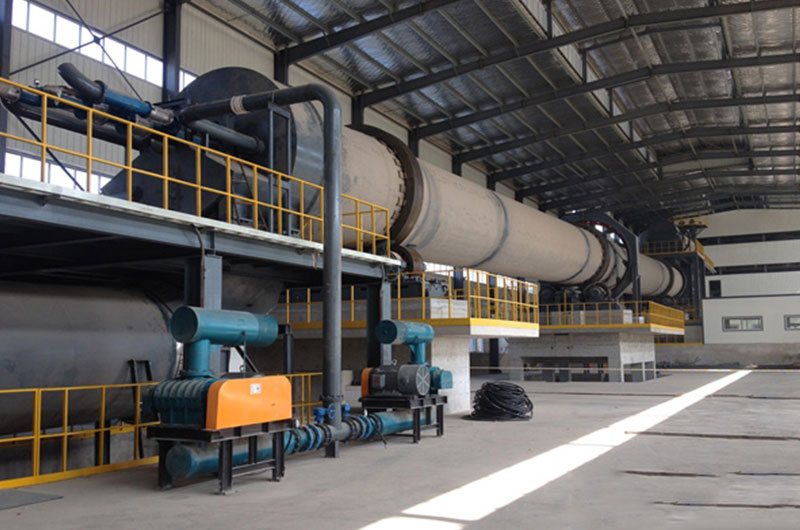
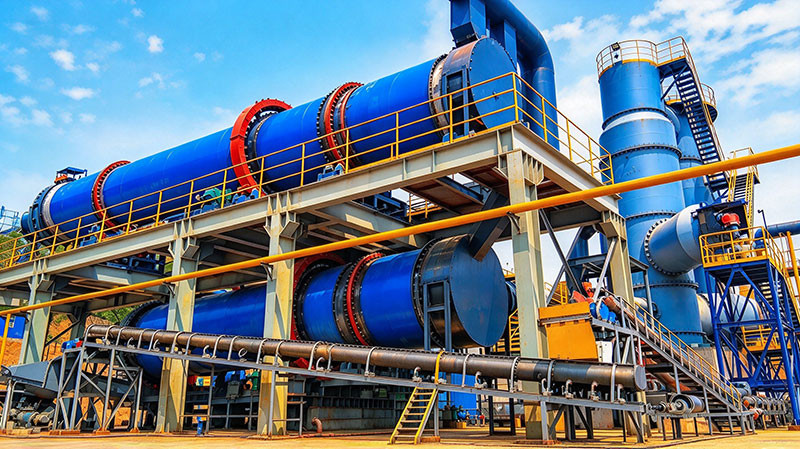
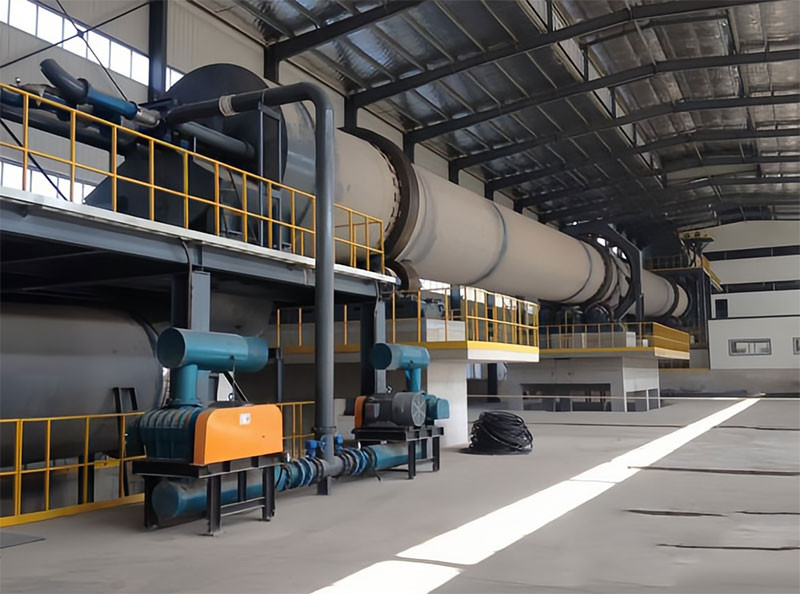
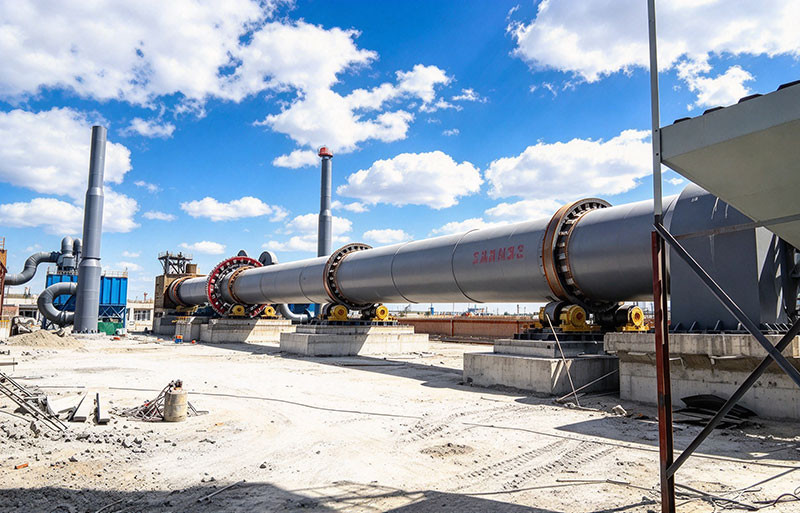
A kiln's dimensions—specifically its diameter and length—directly correlate with its capacity. For instance, a smaller model like the Φ1.4×33m is designed for lower output, while a larger model such as the Φ4.8×74m can handle capacities of 85-95 tons per hour . The price escalation from a basic model to an industrial-scale production line is substantial. Henan Hongke Machinery offers a range of models to suit various production needs, from small-scale operations to large industrial plants, with each step up in size representing a proportional increase in investment .
Production Capacity
A kiln's capacity, often measured in tons per day or tons per hour, is a primary cost driver. A small plant with a capacity as low as 1 ton/day will have a significantly lower capital cost compared to high-output systems designed for 200 tons per day or more . When choosing equipment, it's crucial to balance your target output with your budget.
2. Configuration and Components
Beyond the basic shell, the specific configuration and quality of components play a major role in the overall price.
Core Components
The price is heavily influenced by the quality and source of core components such as the main motor, gearbox, bearings, and gears. High-quality components ensure operational reliability and longevity, which can lower long-term operating costs even if the initial investment is higher . Henan Hongke Machinery uses robust components designed to withstand the high-temperature, heavy-load conditions of the calcination process .
Automation Level
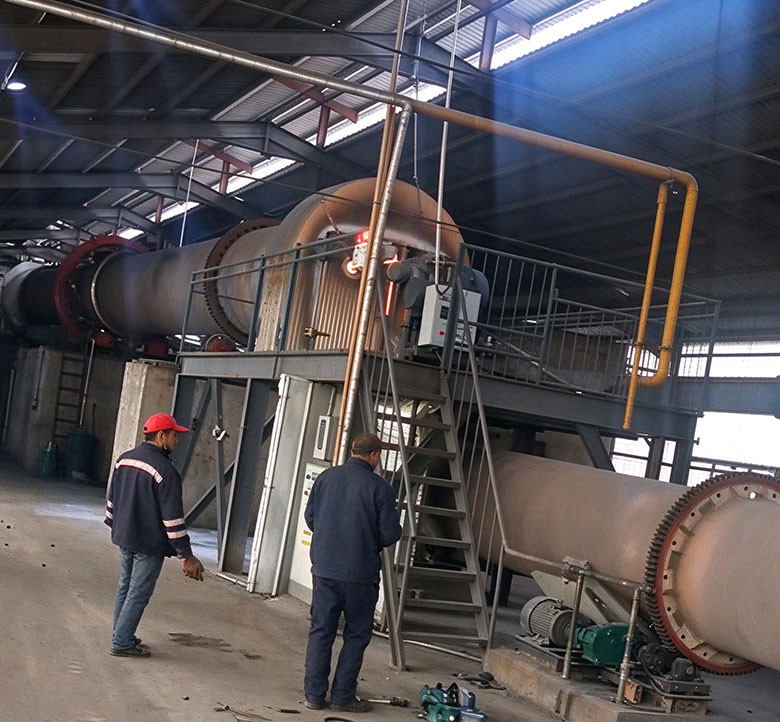
The degree of automation integrated into the kiln's control system significantly impacts its price. Fully automated systems with advanced monitoring and control capabilities allow for precise adjustments, improved efficiency, and reduced labor costs. While these systems increase the initial purchase price, they provide a significant return on investment through reduced operational expenses and improved product quality .
Structural Design
Advanced design features, such as multi-stage preheaters and efficient coolers, are designed to improve energy efficiency. While these systems add to the upfront cost, they can dramatically reduce the kiln's fuel consumption over its lifetime . A well-designed kiln also offers advantages like a small footprint and lower failure rates, contributing to a better long-term value proposition .
3. Energy System and Fuel Source
The calcination process is energy-intensive, and the kiln's design regarding fuel type and energy efficiency is a major cost factor.
Fuel Type
Kaolin rotary kilns are designed to use different fuels, including natural gas, coal powder, diesel, and oil . The burner system's design and complexity vary depending on the fuel source. This choice not only affects the purchase price but also the ongoing operational expenses, as fuel costs can account for over 50% of total operating costs .
Energy Efficiency
More energy-efficient kilns often come with a higher initial cost due to the inclusion of systems like preheaters or recuperators . However, the investment in a high-efficiency kiln pays off through lower fuel consumption, making it a more cost-effective choice in the long run, especially in regions with high energy costs .
4. Operational and Maintenance Costs
While not part of the purchase price, the anticipated operational and maintenance expenses are critical factors in a total cost of ownership calculation that influences the investment decision.
Maintenance and Wear Parts
The long-term cost of a kiln includes regular maintenance of its refractory lining and drive components. Some kilns may have higher maintenance costs due to more frequent repairs or the need for expensive wear parts . Henan Hongke Machinery's kilns are designed for a low failure rate, and with routine maintenance, they can have an extended service life, lowering the total cost per ton of product .
Local Labor and Raw Materials
The cost of labor and the distance of raw materials to the production site are also key factors in the overall financial model . A higher degree of automation can reduce the need for labor and mitigate the impact of high local wages . Similarly, the quality of the raw kaolin can affect calcination costs, as low-grade materials may require higher temperatures or longer processing times, increasing energy consumption .
5. Manufacturer, Brand, and Market Factors
Finally, the choice of manufacturer and current market conditions play a pivotal role in pricing.
Manufacturer Reputation and Quality
A trusted manufacturer like Henan Hongke Heavy Machinery Co., Ltd. typically prices its equipment competitively while ensuring high quality and reliability. A reputable brand offers long-term support, ensuring that the kiln's entire lifecycle is backed by expertise and service .
Market Competition and Customization
The price of equipment is also affected by market competition. Manufacturers often provide price quotes based on the specific needs of the client, with costs varying depending on the level of customization . Customization ensures the kiln is perfectly suited to the specific materials and production requirements, but it can also affect the final price.
Conclusion
When evaluating the price of a kaolin rotary kiln, it's essential to look beyond the sticker price and consider the total cost of ownership. Key factors such as technical specifications, component quality, automation, energy efficiency, and manufacturer reputation are intertwined. The capital expenditure must be weighed against long-term operational costs related to fuel, labor, and maintenance.
Henan Hongke Heavy Machinery Co., Ltd. provides a full range of kaolin rotary kilns designed to deliver a strong return on investment. Our robust designs, focus on energy efficiency, and low-maintenance operation ensure that your calcination plant remains profitable for years to come.
Contact Henan Hongke Heavy Machinery Co., Ltd. today for a customized quotation tailored to your specific production needs.